
Travel insurance for Australian travellers
A holiday can become expensive when someone falls ill, a trip is cancelled or luggage goes missing. RMA Insurance Brokers helps individuals and families review travel insurance around their destinations, trip length and health considerations.
Travel insurance at a glance
Travel insurance is designed to address certain financial and assistance needs when a private trip does not go to plan, whether you are travelling within Australia or overseas.
Depending on the policy, cover can include medical expenses, evacuation, cancellation, baggage, personal accident and other travel benefits, subject to the policy terms, limits and exclusions.
Key areas
- Overseas medical & evacuation
- Cancellation & disruption
- Baggage & travel documents
- Personal accident benefits
- Rental vehicle & liability exposures
- Emergency assistance
Who should consider travel insurance?
Travel insurance can be relevant to anyone taking a personal trip, from a short domestic break to an extended overseas holiday.
- Families taking a holiday together
- Couples travelling overseas
- Retirees and grey nomads touring Australia
- Travellers with pre-existing medical conditions
- Frequent travellers taking several trips a year
- Travellers visiting family or friends overseas
The cost of a trip is not the only consideration. A single overseas medical event can cost far more than the holiday itself, particularly where hospital treatment or a medical evacuation is needed.
Travel insurance is worth considering where you:
- are travelling overseas, including short trips to nearby countries
- have paid deposits or fares that cannot be refunded
- are travelling with children or older family members
- have a medical condition that may need attention while away
- plan to hire a car, campervan or motorhome
- intend to take part in activities such as skiing, diving or motorcycling
What can travel insurance cover?
Overseas medical & evacuation
Depending on the policy, travel insurance may cover eligible overseas medical, hospital, dental and evacuation expenses if you become ill or injured while travelling.
Some expenses may require prior approval from the insurer’s emergency assistance provider.
Cancellation & travel disruption
Cover may respond to eligible cancellation, curtailment, missed connections or additional accommodation and rebooking costs arising from an insured event.
Refunds or credits available from the airline or accommodation provider can affect the claim.
Baggage, valuables & travel documents
Policies may cover loss, theft or damage to luggage, personal effects, travel documents and money, subject to per-item limits, security requirements and specified-item conditions.
High-value items such as cameras, jewellery and devices may be subject to lower item limits or may need to be specified for additional cover.
Personal accident & disablement
Depending on the policy, benefits may be available where a traveller suffers accidental death or permanent disablement during an insured journey.
Rental vehicle excess & personal liability
Cover may include eligible rental vehicle excess costs and certain personal liability exposures arising during the journey. The extent of cover varies between policies.
Additional expenses & emergency assistance
Many policies include access to 24-hour emergency assistance and may contribute to eligible additional travel, accommodation or repatriation expenses following an insured event.
These benefits differ between insurers and are subject to policy limits.
How a travel policy is put together
Travel insurance is generally arranged around a specific journey or a period of travel, rather than a single fixed package.
Depending on the insurer and policy, the schedule can set out who is insured, the destinations covered, the travel dates and the maximum length of each trip. Areas commonly reviewed include:
- who is travelling, including children and dependants
- domestic or overseas destinations
- trip dates and maximum journey duration
- single trip or annual multi-trip arrangements
- traveller age limits
- pre-existing medical conditions requiring assessment
- planned activities, sports or adventure travel
- high-value items needing to be specified
Policies treat these areas differently, so the wording and schedule should be reviewed rather than assumed.
Pre-existing medical conditions need attention early
Pre-existing medical conditions are an important area to check when arranging travel insurance and can affect whether a claim is covered.
Some conditions may be automatically covered by an insurer, others may need to be assessed and accepted, sometimes with an additional premium, and some may be excluded altogether. Conditions affecting a travelling companion or a family member at home can also matter where cancellation cover is concerned.
Medical conditions should be disclosed or assessed where required by the insurer. If your health changes before departure, check whether the insurer needs to be notified.
Personal travel insurance and corporate travel insurance serve different needs
Travel insurance discussed on this page is arranged by an individual or family for private travel.
Corporate travel insurance is arranged by a business for authorised business journeys and the travellers named or described in the policy.
Some corporate policies can extend to incidental private travel or accompanying family members, and some personal policies exclude travel undertaken for work. Where a trip mixes business and leisure, it is worth checking which arrangement is intended to respond.
What information may be needed for a travel insurance review?
When reviewing travel insurance, we may need information about:
- who is travelling and their ages
- destinations, including any stopovers
- departure and return dates
- the value of fares, deposits and prepaid arrangements
- any medical conditions requiring consideration
- planned activities or sports
- rental vehicle or campervan plans
- high-value items being taken
- whether a single trip or annual policy suits your travel pattern
Additional underwriting information may be required depending on age, destination, medical history and the cover requested.
When should travel insurance be reviewed?
A review is particularly worthwhile when:
- a trip is booked and deposits are paid
- destinations change or new countries are added
- the length of the trip increases
- a medical condition is diagnosed or changes
- children, grandchildren or older relatives join the trip
- you begin travelling several times a year
- adventure activities are added to the itinerary
- a rental vehicle, campervan or motorhome is booked
- government travel advice changes for your destination
Arranging travel insurance soon after booking can give you a longer period in which eligible cancellation events may be covered, subject to the policy.
What may not be covered?
Travel insurance is subject to policy conditions, limits, excesses and exclusions. Depending on the policy, cover may be restricted or unavailable for:
- pre-existing medical conditions that have not been assessed and accepted by the insurer, where required
- travel undertaken against medical advice or while unfit to travel
- events that were already known when the trip or the insurance was arranged
- claims affected by alcohol or drug use where excluded under the policy
- activities, sports or vehicle use outside the insured scope
- cancellation or delay costs recoverable from the airline, accommodation provider or other travel supplier
- travel-provider insolvency unless the policy expressly provides cover
- pandemic or epidemic-related losses outside the cover provided by the policy
- unattended luggage or failure to take reasonable care of belongings
- travel undertaken for work or business, unless the policy allows it
This is not a complete list. Cover for natural disasters, civil unrest, terrorism, pregnancy, medical conditions, provider failure and other travel events differs materially between policies. The wording, schedule and circumstances determine how the insurance responds.
Example: a family holiday is cut short by illness
Illustrative example
A family travels overseas on a prepaid holiday. Part way through the trip, one of the children becomes unwell and is admitted to hospital.
The family cannot take their booked flights home, needs extra accommodation near the hospital and loses the remaining nights of a prepaid tour.
The insurer and its emergency assistance provider are contacted. Depending on the policy and circumstances, eligible medical expenses, additional accommodation, rearranged flights and unused prepaid costs may be considered under the relevant sections of cover.
Example provided for general illustration only. Cover depends on the insurer, policy wording, limits, exclusions and circumstances of the claim.
Travel advice and known events can affect cover
Travel insurance is designed around unforeseen events. If a risk or disruption is already known when travel is booked or cover is arranged, related losses may not be insured.
Travellers should check current Australian Government travel advice before booking and again before departure, particularly for overseas destinations.
Travel advice can also matter where a destination becomes affected by natural disaster, civil unrest, a disease outbreak or another significant event. Cover varies, so check the policy rather than assume a change in travel advice automatically creates or removes cover.
Smartraveller advises that most standard travel insurance policies will not cover Level 4 ‘Do not travel’ destinations. The effect of any travel advice level should still be checked against the particular policy.
Travel insurance across Australia
RMA Insurance Brokers assists individuals and families across rural, regional and metropolitan Australia with travel insurance for domestic and overseas trips.
For regional travellers, domestic connections and additional travel legs can form part of the overall journey, making it important to understand how the policy treats delays, missed connections and additional expenses.
We also work closely with rma network Livestock & Property Agents, and with the farming families and rural communities they work alongside.
Our services are not limited to rma network Members. Anyone travelling from Australia can contact RMA Insurance Brokers for travel insurance assistance.
Why RMA Insurance Brokers?
Travel insurance needs to reflect where you are going, how long you are away and the health and activities of everyone travelling.
RMA Insurance Brokers can help you:
- review your trip and travel plans
- consider destinations, duration and traveller ages
- identify medical conditions that need disclosure
- compare medical, cancellation, baggage and assistance benefits
- review limits, excesses and specified-item requirements
- consider single trip against annual multi-trip options
- assist with travel-related notifications and claims
The insurer remains responsible for determining claim entitlement under the policy and for any emergency assistance services provided through the insurance arrangement.
Frequently asked questions
What does travel insurance cover?
Depending on the policy, travel insurance may include overseas medical and evacuation expenses, cancellation and disruption costs, lost, stolen or delayed baggage, travel documents and money, personal accident benefits, rental vehicle excess and personal liability. Limits, excesses and exclusions vary between insurers.
Do I need travel insurance for domestic trips within Australia?
Medical treatment within Australia is generally dealt with through Medicare and, where applicable, private health insurance rather than domestic travel insurance. A domestic travel policy may still respond to eligible cancellation, accommodation, baggage, rental vehicle excess and other travel costs.
Cruise travel is different. Medical treatment provided on board a cruise ship generally cannot be claimed through Medicare or private health insurance, even in Australian waters. If you are taking a domestic cruise, check that the travel insurance specifically provides appropriate cruise medical cover.
Are pre-existing medical conditions covered by travel insurance?
Sometimes. Treatment of pre-existing medical conditions varies between insurers. Some conditions may be automatically covered, others may require assessment, acceptance or an additional premium, and some may be excluded. Conditions should be disclosed where the insurer requires it.
What is the difference between single trip and annual multi-trip travel insurance?
A single trip policy is arranged for one journey and its dates. An annual multi-trip policy can cover multiple eligible journeys within a period, usually subject to a maximum duration for each trip. Which suits you depends on how often you travel, where you go and how long you are away.
Does travel insurance cover cancelled flights and travel delays?
It may. Depending on the policy and the cause of the disruption, cover may include eligible cancellation, missed connection, additional travel or accommodation costs. Known events, refunds or credits offered by the travel provider and policy exclusions can affect whether a claim is payable.
Related insurance
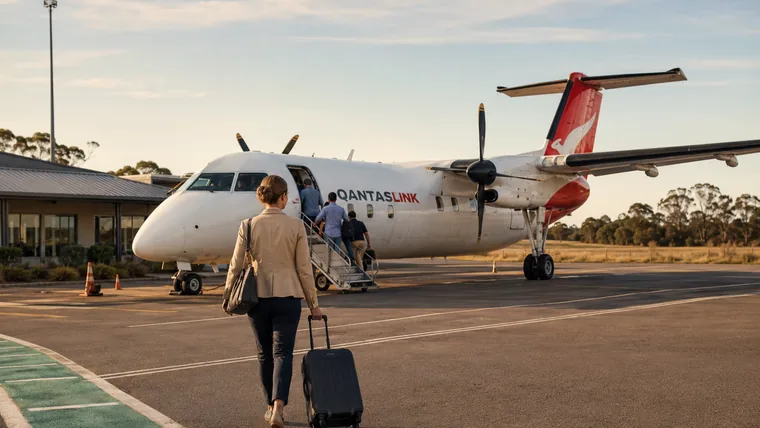
Corporate Travel Insurance
Insurance considerations for directors and employees travelling on authorised business journeys within Australia or overseas.

Private Motor Insurance
Cover considerations for private cars and family vehicles, including damage, theft and liability to others.

Caravan & Recreational Vehicle Insurance
Insurance considerations for caravans, motorhomes and other eligible recreational vehicles, whether touring or stored at a nominated site.
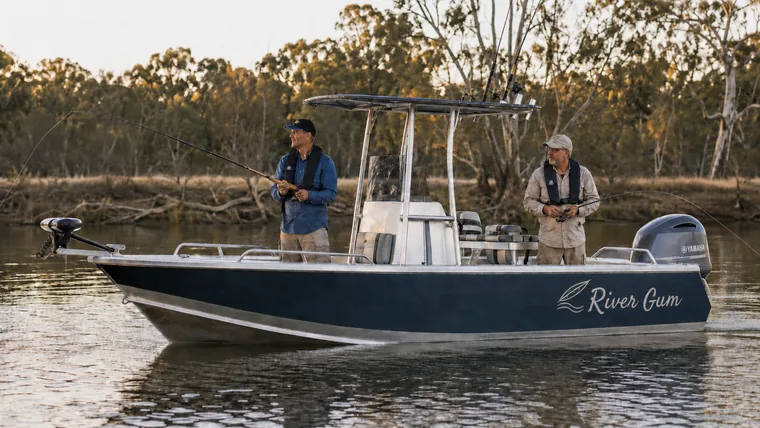
Watercraft Insurance
Cover considerations for pleasure craft, including the vessel, equipment and liability exposures on Australian waters.

Home & Contents Insurance
Insurance considerations for the family home, contents and valuables, including items taken away from the home.
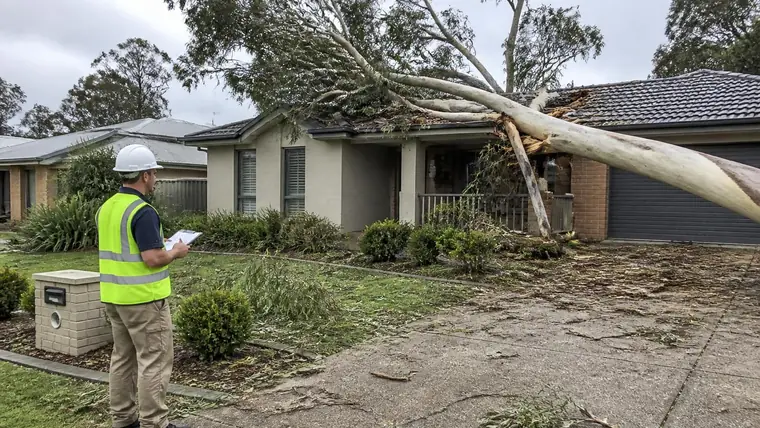
Claims Support
RMA Insurance Brokers support for clients managing insurance claims and insurer communications.
Review your travel insurance
Travel plans change, and so do destinations, health considerations and the value of what has been booked.
RMA Insurance Brokers can help you review whether your travel insurance still reflects the trip you are taking and the people travelling with you.
The information on this page is general information only and does not take into account your objectives, financial situation or needs. Cover is subject to the terms, conditions, limits and exclusions of the relevant policy. Insurance products and available cover vary between insurers. Please review the relevant policy documentation and obtain advice appropriate to your circumstances before making a decision.