
Watercraft and private boat insurance
A boat, tinnie or pleasure craft can be a significant investment, and the right insurance can make a difference after collision, storm, theft or fire. RMA Insurance Brokers helps owners review watercraft insurance around the type of craft, how it is used, where it is kept and the waters it operates in.
Watercraft insurance at a glance
Watercraft insurance is designed to protect a boat or other eligible pleasure craft, together with its motor, trailer, selected equipment and liability exposures.
Depending on the policy, cover can include accidental damage, fire, storm, theft, equipment and legal liability, with conditions attached to where the craft is kept and where it is used. Sums insured, limits, conditions and exclusions vary between insurers.
Key areas
- Hull, motor & accidental damage
- Fire, storm & weather events
- Theft & vandalism
- Trailer, equipment & effects
- Mooring, storage & transit
- Legal liability
Who should consider watercraft insurance?
Watercraft insurance is worth considering for anyone who owns a boat or other eligible pleasure craft, whether it is used for fishing, water sports, cruising or occasional weekends away.
- Owners of runabouts, tinnies and fishing boats
- Owners of ski boats and water-sports craft
- Owners of cabin cruisers and trailer boats
- Owners of yachts and sailing craft requiring a suitable marine policy
- Owners who keep a craft on a mooring or in a marina
- Owners towing a boat and trailer to regional waterways
A review is particularly useful where you:
- have recently purchased a new or used craft
- are unsure whether the insured value reflects the craft today
- carry valuable electronics, safety or fishing equipment
- keep the craft on a mooring, in a marina or at a storage facility
- tow the boat and trailer regularly or travel long distances
- need evidence of liability cover for a ramp, club or marina
What can watercraft insurance cover?
Hull, motor & accidental damage
Cover may respond to accidental loss or damage to the hull, superstructure, inboard or outboard motor and permanently fitted equipment, subject to the policy terms and exclusions.
Damage caused by grounding, collision, sinking or impact while launching and retrieving is treated differently between insurers, so the wording should be reviewed.
Fire, storm & weather events
Policies may cover loss or damage caused by fire, lightning, storm, hail and other listed events, subject to the policy terms and any conditions attached to mooring, berthing or storage arrangements.
Cover for weather events can depend on where the craft is kept and whether it is secured, hauled out or left afloat.
Theft, attempted theft & vandalism
Cover may be available for theft of the craft, motor, trailer or fitted equipment, along with attempted theft and malicious damage. Security conditions, such as immobilisers, locks, wheel clamps or storage in a secure location, can affect how a claim is assessed.
Trailer, equipment & personal effects
Depending on the policy, cover may extend to the boat trailer, permanently fitted electronics, safety equipment and selected personal or recreational equipment.
Item limits and the treatment of portable valuables vary between insurers. Some items may need to be specified or may be better insured under another policy.
Mooring, storage & transit considerations
Cover may be available while the craft is moored, berthed, on a swing mooring, stored at home or kept in a marina or storage facility, depending on insurer eligibility and how it is used.
Craft used for hire, charter, racing or commercial activity generally require different cover, and the location where the craft is kept usually needs to be disclosed.
Legal liability to others
Policies may include legal liability cover arising from ownership or use of the craft, subject to the policy wording, limit and exclusions. Marinas, boat ramps, clubs and some waterway authorities can require a minimum liability limit, and the circumstances in which liability applies vary between insurers.
How a watercraft policy is put together
Watercraft insurance is generally arranged around the type of craft, its value, how it is used, where it is kept and the waters in which it operates.
Areas commonly reviewed include:
- agreed or market value for the craft, motor and trailer
- the navigational or cruising area and any use conditions
- mooring, berthing, storage and lay-up arrangements
- equipment, electronics, safety gear and personal effects
- fire, storm and weather-event cover
- theft, attempted theft and vandalism
- legal liability limits and any requirements imposed by a marina, club or mooring agreement
- excesses, security requirements and operator conditions
Insurers treat these areas differently, so the wording and schedule should be reviewed rather than assumed.
Insured value is an important issue to review
The value of a boat can change as motors, electronics, safety equipment and other insured accessories are upgraded or replaced. The value selected when the policy was first arranged may not continue to reflect the craft and insured equipment.
If the insured value does not reflect the craft and insured equipment appropriately, the claim settlement after a total loss may be lower than expected, depending on whether the policy uses agreed value, market value or another settlement basis.
When should watercraft insurance be reviewed?
A review is particularly worthwhile when:
- you purchase, sell or upgrade a craft, motor or trailer
- you add electronics, safety equipment or other accessories
- you change where the craft is kept, moored or stored
- your use changes, including longer trips or new waterways
- a marina, club or mooring arrangement introduces or changes a liability requirement
- the agreed value, market value basis or sum insured no longer reflects the craft’s current value and the cover you want
- a claim has been made and the sum insured needs resetting
Reviewing at renewal gives time to adjust sums insured and cover sections before the next season on the water.
What may not be covered?
Watercraft insurance is subject to policy conditions, limits, excesses and exclusions. Depending on the policy, cover may be restricted or unavailable for:
- wear, tear, gradual deterioration and lack of maintenance
- osmosis, corrosion, rot, marine growth and electrolysis
- faulty workmanship, design faults and manufacturing defects
- mechanical or electrical breakdown where excluded under the policy, including any limitations applying to resulting damage
- equipment or items not disclosed or listed on the policy
- theft where security or storage requirements have not been met
- use outside the navigational or cruising area stated in the policy
- hire, charter, racing or commercial use where excluded
- operation by an unlicensed, unqualified or otherwise excluded operator, where the policy excludes that circumstance
- loss or damage arising from illegal activities where excluded under the policy
This is not a complete list. Cover for weather events, equipment, transit and moored craft differs materially between insurers. The wording, schedule and circumstances determine how the insurance responds.
Example: storm damage to a boat on a swing mooring
Illustrative example
An owner keeps a cabin cruiser on a swing mooring near a regional coastal town. A severe storm passes through overnight and the craft takes on water, damaging the interior and onboard electronics.
They arrange for the craft to be recovered and hauled out, photograph the damage and obtain quotes from a marine repairer. The repair timeframe is extended because parts need to be freighted in.
They lodge a claim under their watercraft policy. Depending on the wording and circumstances, the insurer may consider the storm damage, recovery and salvage costs, less any applicable excess, and may consider the specified electronics where these are covered by the policy.
Example provided for general illustration only. Cover depends on the insurer, policy wording, limits, exclusions and circumstances of the claim.
Watercraft insurance across Australia
RMA Insurance Brokers assists boat and pleasure craft owners across rural, regional and metropolitan Australia. We help clients review cover whether the craft is used on inland rivers and lakes, enclosed waterways or coastal waters.
Regional boating can bring additional considerations, including longer repair timeframes, availability of specialist marine repairers, recovery, salvage and transport arrangements, and storage between seasons.
We also work closely with rma network Livestock & Property Agents, and with the farming families, regional businesses and rural communities they work alongside.
Our services are not limited to rma network Members. Any Australian boat owner can contact RMA Insurance Brokers for assistance with watercraft insurance.
Why RMA Insurance Brokers?
Watercraft insurance is often arranged quickly at purchase and then renewed without review. As the craft, equipment and the way it is used change, the original cover may no longer be suitable.
RMA Insurance Brokers can help you:
- review agreed or market value sums insured
- understand cover while moored, stored, towed or in transit
- consider trailer, equipment and personal effects cover
- check navigational area, use and operator conditions
- compare options from insurers that understand marine risks
- assist with notifications and claims after an event
The insurer remains responsible for determining claim entitlement under the policy.
Frequently asked questions
What does watercraft insurance cover?
Depending on the policy, watercraft insurance may cover loss or damage to the hull, motor, trailer and selected equipment, along with theft, fire, storm and legal liability to other people. The type of craft, its value, how it is used and the waters it operates in all affect what cover is available and on what terms.
Is my boat covered while it is on the trailer or being towed?
It may be. Many pleasure craft policies can cover eligible loss or damage while the boat is on its trailer, in transit or being launched and retrieved, subject to the policy conditions. Liability while the trailer is attached to a motor vehicle can be treated differently and may interact with the towing vehicle’s insurance, so both policies should be checked.
Does watercraft insurance include liability to other people?
Policies may include legal liability cover for injury or property damage to third parties arising from ownership or use of the craft, subject to the policy wording, limit and exclusions. Some marinas, clubs or mooring arrangements may require evidence of liability insurance or a particular liability limit. Any contractual requirement should be checked when arranging cover.
What is the difference between agreed and market value for a boat?
Agreed value is a sum insured set at the start of the policy period, often based on a valuation or purchase price. Market value is what the craft would be worth immediately before a loss, taking age, condition and depreciation into account. Each basis has different implications for premium and for how a total loss is settled.
Where can I use my boat and still be covered?
Policies usually define a navigational or cruising area, such as inland waters, enclosed waterways or a stated distance from the coast. Operating outside that area, or using the craft for hire, charter or racing, can restrict or exclude cover. The defined area and any use conditions should be checked before a trip.
Related insurance
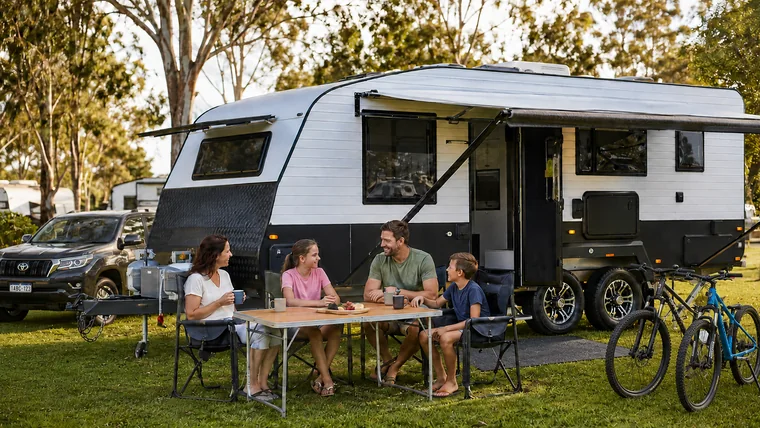
Caravan & Recreational Vehicle Insurance
Cover considerations for caravans, camper trailers and other eligible recreational vehicles, whether touring or kept at a nominated site.

Home & Contents Insurance
Cover for residential buildings, household contents and personal belongings, including rebuilding costs, contents values and specified items.
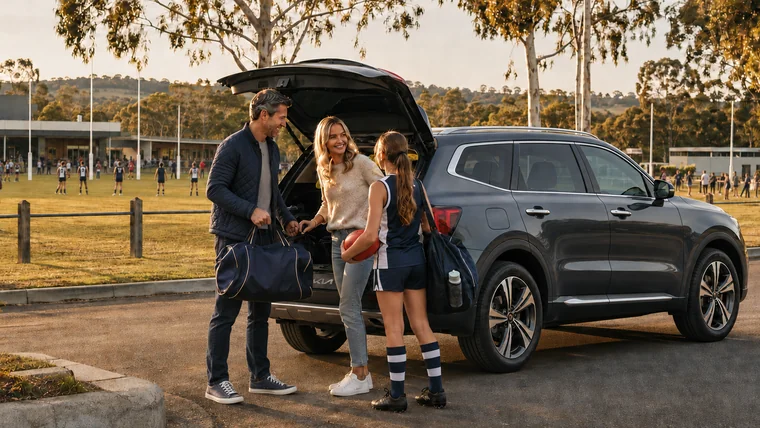
Private Motor Insurance
Cover considerations for private cars and family vehicles, including damage, theft and liability to others.
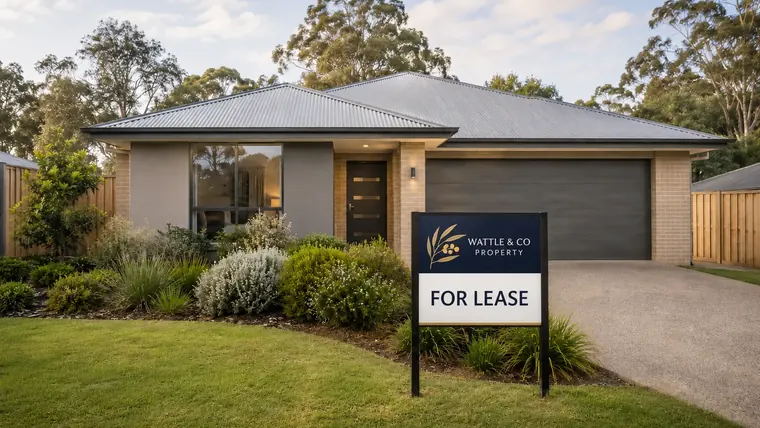
Landlords Insurance
Insurance for residential investment properties, including building cover, landlord contents and selected rental-related exposures.

Business Insurance
Cover for rural and regional businesses across trades, retail and services, including property, business interruption and liability.
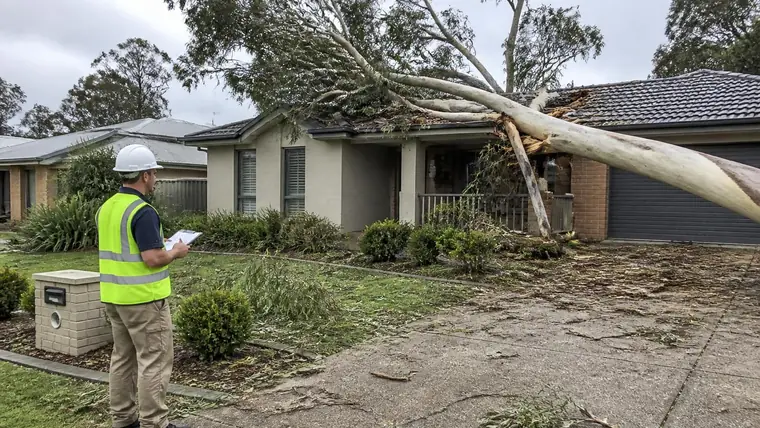
Claims Support
RMA Insurance Brokers support for clients managing insurance claims and insurer communications.
Review your watercraft insurance
Replacement costs move, equipment is added and boating habits change. The cover arranged when the craft was purchased may no longer reflect how it is used today.
RMA Insurance Brokers can help you review whether your watercraft insurance still matches your craft, your equipment and the waters you use.
The information on this page is general information only and does not take into account your objectives, financial situation or needs. Cover is subject to the terms, conditions, limits and exclusions of the relevant policy. Insurance products and available cover vary between insurers. Please review the relevant policy documentation and obtain advice appropriate to your circumstances before making a decision.