
Home and contents insurance for Australian households
For many households, the home is one of their largest assets, and the cost of replacing everything inside it can be easy to underestimate. RMA Insurance Brokers helps households review sums insured, specified items and how a policy may respond when something goes wrong.
Home and contents insurance at a glance
Home and contents insurance is arranged to help a household recover financially after damage, loss or theft at their home, and to respond to certain liability exposures arising from the property.
Cover can be arranged for the building only, the contents only, or both together, subject to the policy terms, limits, excesses and exclusions.
Key areas
- Building & permanent structures
- Household contents
- Specified items & valuables
- Insured events
- Legal liability at the home
- Temporary accommodation
Who should consider home and contents insurance?
The right combination depends on whether you own the home, rent it, or live on a working rural property.
- Owner-occupiers in metropolitan and regional areas
- First home buyers arranging cover at settlement
- Renters insuring contents only
- Families with jewellery, tools or collections
- Rural residents with sheds and outbuildings
- Apartment and unit owners reviewing contents and strata responsibilities
A review is particularly useful where you:
- have renovated, extended or rebuilt part of the home
- hold valuables that have not been specified
- run part of a business from the home
- live on a property with sheds, yards or farm assets
- have a home in a bushfire, storm or flood-affected location
- are unsure how your sum insured was calculated
What can home and contents insurance cover?
The home & permanent structures
Building cover may respond to loss or damage to the house and, depending on the policy, garages, carports, fencing, driveways, pools and other permanent structures at the address.
Sums insured are generally based on rebuilding cost, including demolition, debris removal and professional fees.
Household contents
Contents cover may include furniture, whitegoods, appliances, electronics, clothing, tools and other household belongings.
Contents values are commonly underestimated, so a room-by-room review is often worthwhile.
Specified items & valuables
Jewellery, watches, artwork, collections, cameras and sporting equipment may be subject to lower unspecified limits or may need to be specified for additional cover.
Some items require a current valuation before the insurer will accept them.
Insured events
Depending on the policy, cover may respond to fire, storm, water damage, impact, theft, malicious damage and other listed events.
Flood, storm surge and actions of the sea are treated differently by each insurer and may be limited or excluded.
Legal liability at the home
Policies commonly include a legal liability benefit for eligible personal injury or property damage to others arising from the home or its occupancy, subject to the policy limit and exclusions.
Temporary accommodation & additional costs
Where the home is uninhabitable after an insured event, cover may contribute to eligible temporary accommodation, removal and storage costs for a period set out in the policy.
How a home and contents policy is put together
Most policies are built around a sum insured for the building, a sum insured for contents, and any items listed separately on the schedule.
Areas commonly reviewed include:
- the cost to rebuild, not the market value of the property
- construction type, age and any heritage or bushfire requirements
- outbuildings, sheds, fencing, pools and solar installations
- contents values room by room
- items to be specified, and whether a valuation is required
- cover for items taken away from the home
- excesses, including any event-specific excess
- how the property is occupied, including tenancies or long absences
Insurers treat these areas differently, so the wording and schedule are worth reading rather than assuming the cover matches a previous policy.
Underinsurance is an important issue to review
Building costs, trade availability and current construction standards have moved considerably in recent years. A sum insured set several renewals ago may no longer reflect what it would cost to rebuild today.
Rebuilding also involves more than the house itself. Demolition, debris removal, professional fees, temporary accommodation and compliance with current building standards all form part of the cost, and access can add expense on rural blocks.
Where a sum insured falls short, the shortfall is generally met by the household. A calculator can be a useful starting point, but the figure should be reviewed against the property as it stands today.
When should home and contents cover be reviewed?
A review is particularly worthwhile when:
- you buy, build or settle on a home
- renovations, extensions or a new shed are completed
- a pool, solar system or major landscaping is added
- jewellery, artwork or equipment is purchased or inherited
- the home is tenanted, left unoccupied or used for a home business
- you move between metropolitan, regional and rural locations
- building costs or construction standards change materially
- a claim has been made and the sums insured need resetting
Reviewing at renewal, rather than after an event, gives time to obtain valuations and adjust sums insured before they are needed.
What may not be covered?
Home and contents insurance is subject to policy conditions, limits, excesses and exclusions. Depending on the policy, cover may be restricted or unavailable for:
- wear, tear, gradual deterioration, rust and rot
- faulty workmanship, structural defects and settling
- damage caused by pests, vermin or termites
- flood, storm surge or actions of the sea where not covered by the policy
- loss or damage while the home is unoccupied beyond the period allowed
- business stock, equipment or liability arising from work at the home
- valuables above the unspecified item limit that have not been listed
- theft claims where applicable security, reasonable-care or evidence requirements under the policy have not been met
- damage caused by tenants under a policy arranged for owner-occupation
This is not a complete list. Cover for natural events, accidental damage, portable items, unoccupancy and liability differs materially between insurers. The wording, schedule and circumstances determine how the insurance responds.
Example: storm damage to a regional home
Illustrative example
A severe storm lifts part of the roof on a regional family home and water enters the ceiling, damaging plaster, flooring and furniture.
The family cannot live in the house while repairs are arranged, and a builder is not available locally for several weeks.
The claim is lodged and, depending on the policy and circumstances, eligible building repairs, damaged contents and temporary accommodation costs may be considered under the relevant sections of cover.
Example provided for general illustration only. Cover depends on the insurer, policy wording, limits, exclusions and circumstances of the claim.
Homes on rural and farming properties
A homestead on a working property often sits alongside machinery sheds, hay storage, yards, silos and farm liability exposures that a domestic policy is not designed to address.
In many cases the house, its contents and the surrounding rural assets are better considered together under a farm insurance arrangement, so there is no gap between the domestic and rural sections of cover.
Where a house on the property is rented out, separate landlords insurance considerations can also apply.
Home and contents insurance across Australia
RMA Insurance Brokers assists households across rural, regional and metropolitan Australia, from town homes and lifestyle blocks to homesteads on working properties.
Regional homes can bring additional considerations, including distance from emergency services, availability of local trades, repair timeframes and rebuilding costs where access or transport adds complexity.
We also work closely with rma network Livestock & Property Agents, and with the farming families and rural communities they work alongside.
Our services are not limited to rma network Members. Any Australian household can contact RMA Insurance Brokers for assistance with home and contents insurance.
Why RMA Insurance Brokers?
Home and contents cover is easy to renew without thinking about, and easy to get wrong once a home has changed.
RMA Insurance Brokers can help you:
- review building and contents sums insured
- identify valuables that should be specified
- understand how natural events are treated by different insurers
- consider excesses, unoccupancy conditions and home business exposures
- align cover where a home sits on a rural or farming property
- assist with notifications and claims after an event
The insurer remains responsible for determining claim entitlement under the policy.
Frequently asked questions
What is the difference between home insurance and contents insurance?
Home, or building, cover relates to the structure of the house and usually items such as garages, fixed floor coverings, permanent fixtures and, depending on the policy, outbuildings, fencing, pools and solar panels. Contents cover relates to household belongings such as furniture, appliances, electronics, clothing and personal items. Many households arrange both under one policy, while renters generally insure contents only.
How much should my home be insured for?
Building sums insured are generally based on the cost to rebuild the home rather than its market value or the price paid for the property. Rebuilding costs can include demolition, debris removal, professional fees, current building standards and access constraints. Building costs have moved significantly in recent years, so the sum insured is worth reviewing at each renewal.
Do I need to list jewellery, tools or other valuables separately?
Sometimes. Contents policies commonly apply limits to certain valuables and portable items. Jewellery, watches, artwork, collections, cameras, sporting equipment and business tools may need to be specified, sometimes with a valuation, where additional or higher cover is required.
Are flood, storm and bushfire covered by home and contents insurance?
It depends on the policy and property. Australia has a standard definition of flood for home and contents insurance, but insurers can differ in whether flood cover is automatically included, optional or unavailable for a particular property. The prescribed definition does not apply to every insurance arrangement, including some broker-arranged policies, so the definition used in the particular policy should always be confirmed. Cover for storm, bushfire, storm surge, actions of the sea and other natural events can also vary, including applicable excesses, limits and exclusions. Higher-risk properties may require closer review or specialist placement.
Does home and contents insurance cover a home business or a farmhouse?
Not always. Business stock, equipment and liability arising from work carried out at home are commonly limited or excluded under a domestic policy. A homestead on a working property may be better placed within a farm insurance arrangement so the house, contents, sheds and rural liability exposures are considered together.
Related insurance
Landlords Insurance
Insurance considerations for residential investment properties, including the building, landlord contents and selected rental-related exposures.

Private Motor Insurance
Cover considerations for private cars and family vehicles, including damage, theft and liability to others.

Farm Insurance
Insurance considerations for farm homesteads, sheds, machinery, livestock and rural liability exposures.
Caravan & Recreational Vehicle Insurance
Insurance considerations for caravans, motorhomes and other eligible recreational vehicles, whether touring or stored at a nominated site.

Travel Insurance
Cover considerations for domestic and overseas personal trips, including medical expenses, cancellation and baggage.
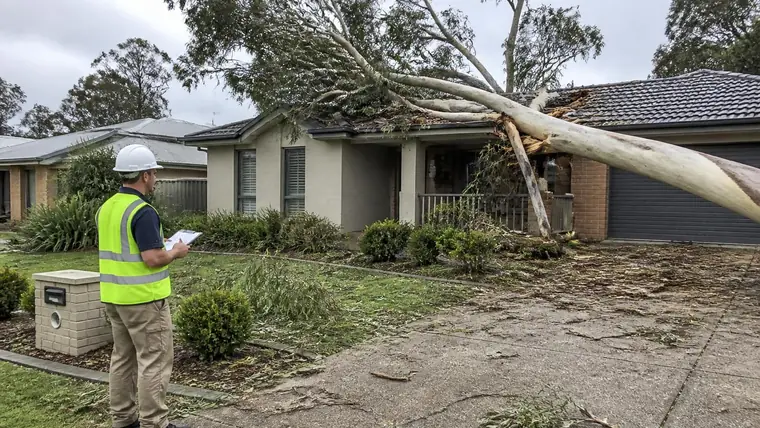
Claims Support
RMA Insurance Brokers support for clients managing insurance claims and insurer communications.
Review your home and contents insurance
Homes change, values move and belongings accumulate. The sum insured set a few years ago may not reflect the property today.
RMA Insurance Brokers can help you review whether your home and contents cover still matches your property and your household.
The information on this page is general information only and does not take into account your objectives, financial situation or needs. Cover is subject to the terms, conditions, limits and exclusions of the relevant policy. Insurance products and available cover vary between insurers. Please review the relevant policy documentation and obtain advice appropriate to your circumstances before making a decision.