Private motor insurance for Australian drivers
A collision, theft, storm or other unexpected event can leave you facing the cost of repairing or replacing your car. RMA Insurance Brokers helps clients review private motor insurance around the vehicle, drivers, use, value and level of cover required.
Private motor insurance at a glance
Private motor insurance is designed for cars used primarily for personal or domestic purposes.
Depending on the policy selected, insurance may cover accidental damage to your own vehicle, theft and other insured events, as well as certain damage you cause to another person’s vehicle or property.
Different levels of motor insurance provide different protection. Comprehensive insurance generally provides broader protection for your own car, while third-party property damage primarily protects against certain damage you cause to other people’s property.
Key areas
- Accidental damage
- Theft, fire & weather
- Third-party property damage
- Agreed or market value
- Towing & hire vehicle benefits
- Windscreen and other optional benefits
Who should consider private motor insurance?
Private motor insurance may be relevant for:
- Family cars
- Commuter vehicles
- Privately used utes and 4WDs
- Vehicles driven by more than one family member
- Financed vehicles
- Cars used primarily for personal and domestic travel
The vehicle itself is only part of the risk.
The insurer may also need to consider who regularly drives it, where it is kept, how it is used, its value, claims history and any modifications or accessories.
If a vehicle is regularly used in connection with a business, the insurance arrangement may need to be reviewed differently, and Commercial Motor Insurance may be more appropriate.
For vehicles used primarily in farming operations, see Farm Motor & Agricultural Machinery Insurance.
What can private motor insurance cover?
Accidental damage to your car
Comprehensive motor insurance may cover accidental loss of or damage to the insured vehicle arising from events covered by the policy.
This may include collision or impact damage, subject to the policy terms, exclusions and excesses.
Theft, fire & weather events
Depending on the policy, comprehensive insurance may cover loss or damage caused by theft, attempted theft, fire, storm, hail and other insured events.
The events covered vary between policies.
Third-party property damage
Cover may respond where you become legally liable for accidental damage caused by your vehicle to another person’s car or property.
Third-party property damage can be included within comprehensive insurance or offered as a more limited standalone form of motor cover.
Towing & emergency assistance
Depending on the policy and circumstances, cover may include certain towing, transport or emergency expenses following an insured accident or other insured event.
Available benefits and limits differ between insurers.
Hire vehicle options
Some comprehensive motor policies include or offer optional hire-car benefits when the insured vehicle cannot be used following an insured loss.
The circumstances, duration and limits vary significantly between policies, so this benefit should be checked rather than assumed.
Windscreen & additional benefits
Depending on the policy, motor insurance may include or offer options for windscreen or glass claims, replacement keys, choice of repairer, new-vehicle replacement or other benefits.
These features vary materially between insurers and should be compared against the client’s requirements.
Comprehensive, third party property damage and CTP are different
Motor-insurance terminology can be confusing because third-party property damage insurance and Compulsory Third Party insurance are not the same thing.
Comprehensive motor insurance
Comprehensive insurance generally provides the broadest of these forms of motor cover.
Depending on the policy, it can protect your own car against accidental damage, theft and other insured events while also providing certain liability cover for damage caused to other people’s vehicles or property.
Third-party property damage insurance
Third-party property damage insurance generally protects against certain legal liability for damage you cause to another person’s vehicle or property.
It ordinarily does not provide comprehensive accidental-damage cover for your own car.
Some insurers also offer fire-and-theft variations with additional limited protection for the insured vehicle.
Compulsory Third Party insurance
CTP is different again.
CTP relates to bodily injury arising from motor vehicle accidents and is compulsory in Australia, although the way the scheme operates differs between states and territories.
It does not replace comprehensive or third-party property damage insurance for damage to cars or other property.
RMA Insurance Brokers can help clients understand the voluntary motor insurance available alongside the applicable compulsory motor arrangements.
Agreed value or market value?
How the vehicle is valued can become particularly important if it is stolen or declared a total loss.
Agreed value
Agreed value is an amount agreed between the insurer and insured for the relevant period of insurance.
Where an agreed-value policy applies, that amount generally forms the basis of settlement for an insured total loss, subject to the policy terms.
Market value
Market value generally reflects what the vehicle was worth immediately before the insured event.
Insurers may consider matters such as:
- make and model
- vehicle age
- kilometres travelled
- condition
- accessories and modifications
- prevailing vehicle values
Neither basis should automatically be assumed to be more appropriate in every circumstance.
The available options, vehicle and client requirements should be reviewed when the insurance is arranged and again at renewal.
When personal use becomes business use
A vehicle insured under a private motor policy may sometimes have incidental or limited business use, depending on the insurer and policy.
However, regular business use should be disclosed rather than assumed to be covered.
Examples that may warrant closer review include:
- regularly visiting customers or job sites
- carrying tools or business equipment
- delivering products
- employees driving the vehicle
- extensive business travel
- a vehicle becoming predominantly used by the business
Our article on commercial versus private motor insurance looks more closely at how vehicle use can affect the insurance arrangement.
Where the vehicle is principally used for business, see Commercial Motor Insurance.
What information may be needed for a private motor insurance review?
RMA Insurance Brokers may need information about:
- make, model and year of the vehicle
- registration details
- vehicle value
- primary and regular drivers
- driver ages and experience
- vehicle use
- where the vehicle is normally garaged
- claims and driving history
- modifications and accessories
- finance arrangements
- preferred level of cover
- agreed or market value preferences where available
Additional information may be required depending on the vehicle, driver profile and insurer.
Accurately describing the drivers and vehicle use is important because these factors can affect the terms, excesses and premium offered.
When should private motor insurance be reviewed?
A review is particularly worthwhile when you have:
- purchased or replaced a vehicle
- added a regular driver
- changed how the vehicle is used
- started using the vehicle regularly for business
- fitted significant modifications or accessories
- substantially changed the vehicle’s value
- changed where the vehicle is normally kept
- experienced a motor claim or significant incident
Annual renewal is also an opportunity to check the insured value, drivers, vehicle use and optional benefits rather than simply carrying the previous settings forward.
What may not be covered?
Private motor policies contain exclusions, conditions, excesses and limits.
Depending on the policy, cover may not apply where:
- the vehicle is driven by an unlicensed driver
- a driver is affected by alcohol or drugs
- the car is being used for racing, motor sport or a time trial
- the vehicle is being used in a way not covered by the policy
- modifications or relevant vehicle information have not been disclosed
- damage existed before the insured event
- the loss relates to ordinary wear, deterioration or mechanical failure where not insured
- a driver or use falls outside applicable policy conditions
This is not a complete list.
The relevant policy wording, schedule, endorsements and circumstances of the incident determine how the insurance responds.
Example: a family car is damaged in an accident
Illustrative example
A client is driving the family car when they are involved in a collision with another vehicle. Both vehicles are damaged and the client’s car cannot be driven from the scene.
The vehicle is towed for assessment. The client also needs to determine whether their policy includes a hire-vehicle benefit while repairs are being completed.
A claim would be considered against the private motor policy, including the circumstances of the accident, damage to the insured vehicle, any third-party property damage and applicable towing or hire-car benefits. The policy excess, repair arrangements and insured value would also be considered according to the policy terms.
Example provided for general illustration only. Policy coverage and the amount of any claim depend on the insurer, policy wording, level of cover, drivers, vehicle use, insured value, excesses and circumstances of the loss.
Private motor insurance across Australia
RMA Insurance Brokers assists clients with private motor insurance across Australia.
Our clients include individuals, families, farmers, business owners and regional clients whose personal vehicles sit alongside their broader insurance arrangements.
We also work closely with rma network Livestock & Property Agents, providing strong connections with communities throughout regional Australia.
Our services are not limited to rma network Members. Clients across Australia can contact RMA Insurance Brokers for private motor insurance assistance.
Why RMA Insurance Brokers?
Private motor insurance can look straightforward until the differences between policies are examined.
Vehicle value, drivers, use, excesses, repair options, hire vehicles and other benefits can all affect the cover arranged.
RMA Insurance Brokers can help you:
- review the way the vehicle is used
- compare available levels of motor cover
- understand comprehensive and third-party property damage options
- consider agreed or market value where available
- review drivers and excesses
- consider modifications and accessories
- compare relevant hire-car, glass and repair benefits
- identify where business use may require different insurance
- approach suitable insurers
- assist with policy changes, renewals and motor claims
Our focus is on helping arrange motor insurance that reflects the vehicle, its use and the people who drive it.
Frequently asked questions
What does comprehensive car insurance cover?
Comprehensive car insurance may cover accidental loss of or damage to your own vehicle from insured events such as collision, theft or severe weather.
It can also provide certain cover for legal liability where your vehicle damages another person’s vehicle or property.
The exact cover varies between insurers and policies.
What is the difference between comprehensive and third-party property damage insurance?
Comprehensive insurance generally protects both the insured car against specified losses and certain liability for damage caused to other people’s property.
Third-party property damage insurance primarily covers certain damage caused to another person’s car or property and generally does not provide comprehensive accidental-damage cover for the insured vehicle.
Is CTP the same as third-party property damage insurance?
No.
Compulsory Third Party insurance relates to bodily injury arising from motor vehicle accidents.
Third-party property damage insurance deals with certain damage caused to another person’s vehicle or property.
The two types of cover serve different purposes.
What is the difference between agreed value and market value?
Agreed value is an amount agreed with the insurer for the relevant period of insurance.
Market value reflects the vehicle’s value immediately before the insured incident, based on factors such as age, condition, kilometres, make, model and relevant accessories or modifications.
Available valuation options vary between insurers and products.
Does private motor insurance cover business use?
It depends on the policy and the way the vehicle is used.
Some personal motor policies may permit limited business use, but regular or substantial business use may require a different insurance arrangement.
The vehicle’s genuine use should be disclosed when insurance is arranged or when that use changes.
Related insurance
Commercial Motor Insurance
For cars, utes, vans and other vehicles used primarily in business operations.
Farm Motor & Agricultural Machinery Insurance
For farm vehicles, tractors and machinery used in farming operations.
Caravan & Recreational Vehicle Insurance
Insurance considerations for caravans and recreational vehicles.

Home & Contents Insurance
Insurance considerations for residential buildings and personal belongings.

Travel Insurance
Insurance considerations for domestic or overseas travel.
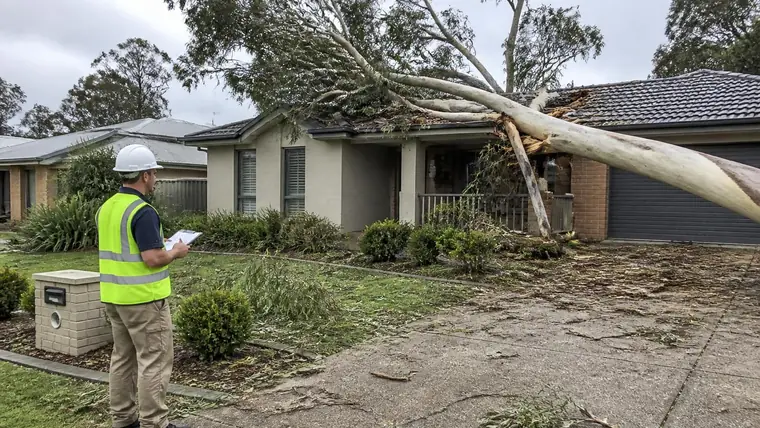
Claims Support
RMA Insurance Brokers support when managing insurance claims and insurer communications.
Review your private motor insurance
Vehicles, drivers and how a car is used can change over time.
Whether you are insuring a new vehicle, comparing your existing cover or checking whether the policy still reflects the drivers and use of the car, RMA Insurance Brokers can assist.
The information on this page is general information only and does not take into account your objectives, financial situation or needs. Cover is subject to the terms, conditions, limits and exclusions of the relevant policy. Insurance products and available cover vary between insurers. Please review the relevant policy documentation and obtain advice appropriate to your circumstances before making a decision.