
Caravan insurance for Australian travellers
A caravan or camper trailer can be a significant investment, and the right insurance can make a difference after collision, storm, theft or fire. RMA Insurance Brokers helps owners review caravan insurance around the type of vehicle, how it is used, where it is stored and where it travels.
Caravan insurance at a glance
Caravan insurance is designed to protect the caravan, camper trailer or other eligible recreational vehicle itself, together with selected contents, accessories and liability exposures.
Depending on the policy, cover can include accidental damage, fire, storm, theft, contents and legal liability, with options for touring or permanently sited vehicles. Sums insured, limits, conditions and exclusions vary between insurers.
Motorhomes and campervans are self-propelled motor vehicles and can require different insurance arrangements from towable caravans and camper trailers. Compulsory third party or equivalent statutory injury arrangements also apply according to the relevant state or territory and are separate from cover for damage to the vehicle or other property.
Key areas
- Accidental damage & impact
- Fire, storm & natural events
- Theft & vandalism
- Contents, annexe & accessories
- Towing & storage
- Legal liability
Who should consider caravan insurance?
Caravan insurance is worth considering for anyone who owns a caravan, camper trailer, motorhome or similar recreational vehicle, whether it is used for weekend trips, extended touring or kept at a permanent site.
- Owners of touring caravans and camper trailers
- Owners of motorhomes or campervans requiring a suitable motorhome or recreational vehicle policy
- Families who travel during school holidays
- Retirees and grey nomads touring Australia
- Owners who keep a caravan at a permanent site
- People with annexe, decking or site fixtures
A review is particularly useful where you:
- have recently purchased a new or used caravan or RV
- are unsure whether the sum insured reflects replacement cost
- travel with valuable contents, equipment or accessories
- tow the caravan regularly or store it away from home
- keep the caravan permanently on a site with an annexe
- use the vehicle for extended trips or off-road touring
What can caravan insurance cover?
Accidental damage & impact
Depending on the policy, cover may respond to accidental damage to the caravan or RV body, including impact with trees, posts, other vehicles or structures while manoeuvring, parking or towing.
Some policies include or exclude certain types of impact, so the definitions and exclusions should be reviewed.
Fire, storm & natural events
Policies may cover loss or damage caused by fire, lightning, storm, hail, flood and other listed natural events, subject to the policy terms, exclusions and any specific conditions that apply to the location or storage arrangement.
Cover for flood and storm surge varies between insurers and may depend on where the caravan is kept.
Theft, attempted theft & vandalism
Cover may be available for theft of the caravan itself, as well as attempted theft and malicious damage. Security requirements, such as locks, wheel clamps or storage in a secure location, may affect whether a claim is accepted.
Contents, annexe & personal effects
Depending on the policy, cover may extend to contents kept in the caravan, such as appliances, bedding, kitchenware and personal effects, as well as the annexe, awning and accessories.
Contents cover, item limits and the treatment of portable valuables vary between insurers. Some items may need to be specified or may be better insured under another policy.
Towing, site & storage considerations
Cover may be available for touring caravans, camper trailers and caravans kept at a nominated site, depending on insurer eligibility and how the caravan is used. Permanently sited caravans or caravans used as a permanent residence can require different cover.
Where a caravan is kept permanently on site, the site agreement and any local requirements should be considered.
Legal liability to others
Policies may include legal liability cover arising from ownership or use of the caravan, subject to the policy wording, limit and exclusions. The circumstances in which liability cover applies, particularly while towing or when the caravan is on site, vary between insurers.
How a caravan policy is put together
Caravan insurance is generally arranged around the type of vehicle, how it is used, where it is stored and the value of the unit, contents and accessories.
Areas commonly reviewed include:
- agreed or market value for the caravan or RV
- cover while touring, being towed or kept on site
- contents, personal effects and specified high-value items
- annexe, awning, accessories and site fixtures
- fire, storm, flood and natural event cover
- theft, attempted theft and vandalism
- liability to third parties
- excesses, security requirements and unoccupancy conditions
Insurers treat these areas differently, so the wording and schedule should be reviewed rather than assumed.
Underinsurance is an important issue to review
The cost of replacing a caravan, motorhome or camper trailer can be higher than the outstanding finance or the original purchase price, particularly when delivery, fit-out, accessories and annexe costs are included.
If the insured value does not reflect the caravan and insured accessories appropriately, the claim settlement after a total loss may be lower than expected, depending on whether the policy uses agreed value, market value or another settlement basis.
When should caravan insurance be reviewed?
A review is particularly worthwhile when:
- you purchase, sell or upgrade a caravan or RV
- you add an annexe, awning, solar, batteries or other accessories
- you begin keeping the caravan at a permanent site
- your travel patterns change, including longer trips or off-road use
- you store the caravan in a different location
- the agreed value, market value basis or sum insured no longer reflects the caravan’s current value and the cover you want
- a claim has been made and the sum insured needs resetting
Reviewing at renewal gives time to adjust sums insured and cover sections before the next trip.
What may not be covered?
Caravan insurance is subject to policy conditions, limits, excesses and exclusions. Depending on the policy, cover may be restricted or unavailable for:
- wear, tear, gradual deterioration and maintenance issues
- damage caused by pests, vermin or mould
- faulty workmanship, structural defects and manufacturing faults
- mechanical, electrical or structural breakdown or failure, except where the policy expressly provides a particular benefit
- contents or items not disclosed or listed on the policy
- theft where security requirements have not been met
- loss or damage while the caravan is being towed by a vehicle driven by an unlicensed, disqualified or otherwise excluded driver, where the policy excludes that circumstance
- flood, storm surge or actions of the sea where not covered by the policy
- off-road or unsealed-road use where excluded
- damage arising from illegal activities or intentional acts
- losses where the caravan is left unoccupied beyond the policy limit
This is not a complete list. Cover for natural events, contents, towing damage and site-kept vehicles differs materially between insurers. The wording, schedule and circumstances determine how the insurance responds.
Example: storm damage while stored at a regional property
Illustrative example
A family stores their caravan under a carport on their regional property between trips. After a severe storm, a large branch falls and damages the roof, awning and side panels.
They document the damage, take photographs and obtain repair quotes from a local caravan repairer. The repair cost is higher than expected due to parts availability and travel time.
They lodge a claim under their caravan insurance policy. Depending on the wording and circumstances, the insurer may consider the storm and impact damage, less any applicable excess, and may also consider temporary accommodation or storage costs if these are covered by the policy.
Example provided for general illustration only. Cover depends on the insurer, policy wording, limits, exclusions and circumstances of the claim.
Caravan insurance across Australia
RMA Insurance Brokers assists caravan and RV owners across rural, regional and metropolitan Australia. We help clients review cover whether they are touring the coast, travelling inland routes or keeping a van permanently at a favourite site.
Regional travel can bring additional considerations, including longer repair timeframes, availability of specialist caravan repairers, access issues and additional accommodation or transport costs after an insured event.
We also work closely with rma network Livestock & Property Agents, and with the farming families, regional businesses and rural communities they work alongside.
Our services are not limited to rma network Members. Any Australian caravan or RV owner can contact RMA Insurance Brokers for assistance with caravan insurance.
Why RMA Insurance Brokers?
Caravan insurance is often arranged quickly at purchase and then renewed without review. As the vehicle, contents and travel habits change, the original cover may no longer be adequate.
RMA Insurance Brokers can help you:
- review agreed or market value sums insured
- understand cover while towing, touring or storing on site
- consider contents, annexe and accessory cover
- identify exclusions for flood, off-road use or unoccupied storage
- compare options from insurers that understand caravan risks
- assist with notifications and claims after an event
The insurer remains responsible for determining claim entitlement under the policy.
Frequently asked questions
What does caravan insurance cover?
It depends on the policy selected. Caravan insurance may cover accidental damage, impact, fire, storm, theft, attempted theft, vandalism, contents and personal effects, annexe and accessories, and legal liability to third parties, with flood covered only where the relevant policy provides that cover. The vehicle type, how it is used, where it is stored and whether it is on-site or touring all affect what cover is available.
Does caravan insurance cover contents and personal belongings?
Some policies include cover for contents and personal effects kept inside the caravan, such as bedding, kitchenware, portable appliances and clothing. Limits, security requirements and exclusions apply, and high-value items may need to be specified separately. Items permanently kept in the caravan may be treated differently from those taken in and out for each trip.
Is my caravan covered while being towed?
It may be. Caravan policies can cover eligible loss or damage to the caravan while it is being towed, subject to the policy conditions. Liability while the caravan is attached to, or being towed by, a motor vehicle can be treated differently and may interact with the towing vehicle’s insurance. Both policies should be checked so there is no assumption about which one responds.
What is the difference between agreed and market value for a caravan?
Agreed value is a sum insured set at the start of the policy period, often based on a current valuation or purchase price. Market value is what the caravan would be worth immediately before a loss, taking into account age, condition and depreciation. Each approach has different implications for premium and claim settlement.
Does caravan insurance cover a permanent on-site caravan or annexe?
Some insurers offer cover for caravans kept at a nominated site, while others exclude permanently sited caravans or caravans used as a permanent residence. Where on-site cover is available, treatment of the annexe, awning, fixtures and other site improvements varies. The site arrangement and policy definitions should be checked before cover is arranged.
Related insurance

Home & Contents Insurance
Cover for residential buildings, household contents and personal belongings, including rebuilding costs, contents values and specified items.
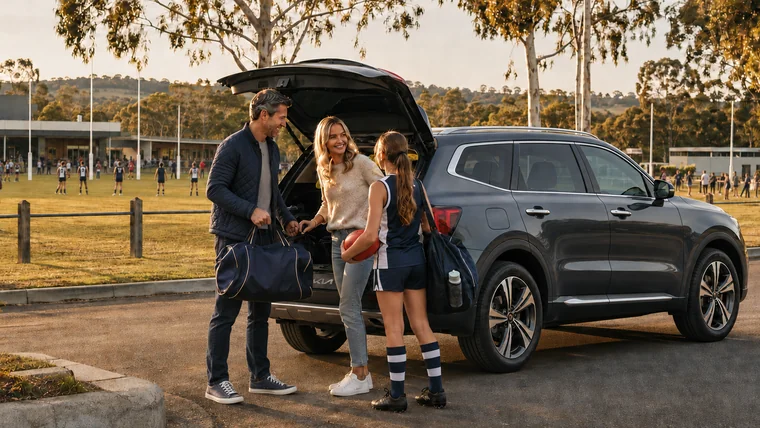
Private Motor Insurance
Cover considerations for private cars and family vehicles, including damage, theft and liability to others.

Travel Insurance
Cover considerations for domestic and overseas personal trips, including medical expenses, cancellation and baggage.
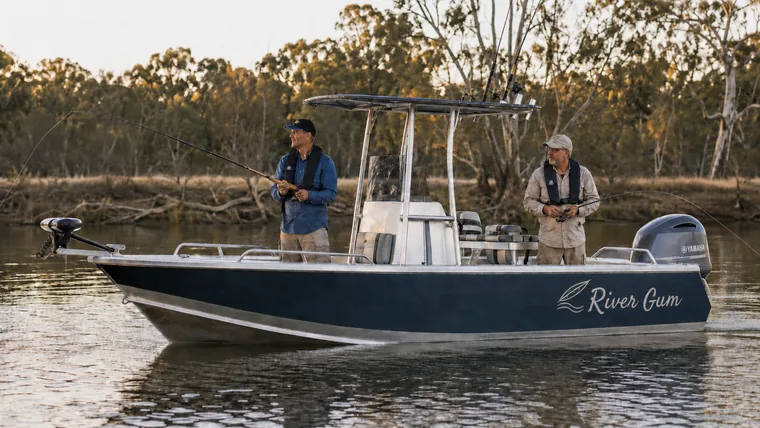
Watercraft Insurance
Cover considerations for boats and other eligible pleasure craft, including hull, motor, trailer, equipment and liability exposures.
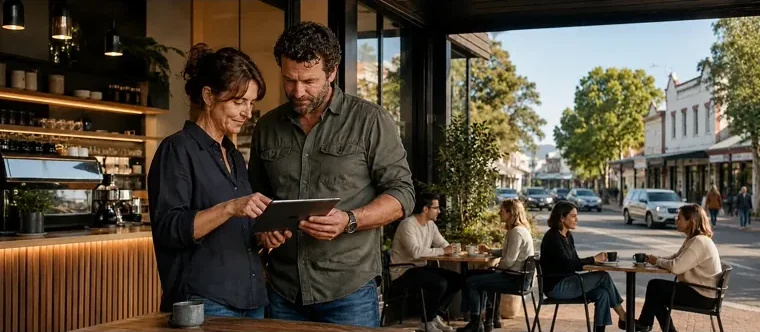
Business Insurance
Cover for rural and regional businesses across trades, retail and services, including property, business interruption and liability.
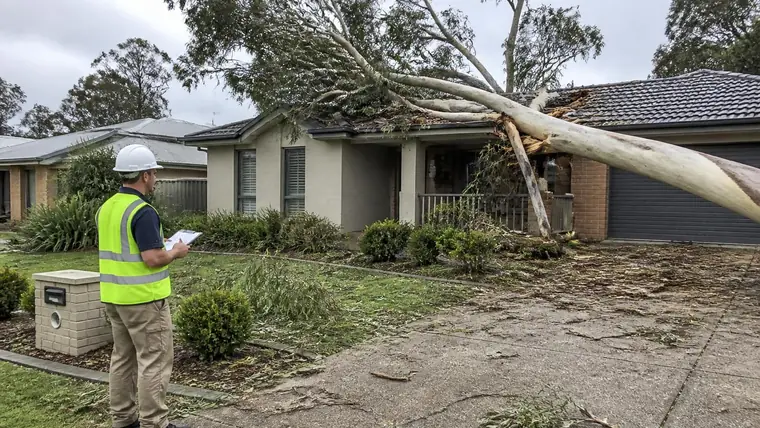
Claims Support
RMA Insurance Brokers support for clients managing insurance claims and insurer communications.
Review your caravan insurance
Replacement costs change, accessories are added and travel habits evolve. The cover arranged when the caravan was purchased may no longer reflect how it is used today.
RMA Insurance Brokers can help you review whether your caravan insurance still matches your vehicle, your contents and the way you travel.
The information on this page is general information only and does not take into account your objectives, financial situation or needs. Cover is subject to the terms, conditions, limits and exclusions of the relevant policy. Insurance products and available cover vary between insurers. Please review the relevant policy documentation and obtain advice appropriate to your circumstances before making a decision.