
Livestock & stud stock insurance for Australian producers
Livestock can represent a significant part of a farming business's value, particularly where breeding animals and stud stock have been carefully selected or purchased for substantial amounts. RMA Insurance Brokers helps livestock producers, stud breeders and buyers review and arrange insurance for eligible animals, with cover structured around the animals, their value and the risks being insured.
Livestock insurance at a glance
Livestock insurance can provide financial protection when insured animals are lost due to events covered by the policy.
Specialist cover may also be available for higher-value stud stock purchased at auction or through private sale, where the value of an individual animal and the timing of cover require particular consideration.
The cover available depends on the insurer, type of livestock, value of the animals and policy selected.
Key areas
- Cattle
- Sheep
- Stud stock
- Mortality
- Auction purchases
- Private sales
Who should consider livestock & stud stock insurance?
Livestock insurance may be worth considering where the financial impact of losing an animal or group of animals would be significant.
- commercial cattle producers
- sheep producers
- stud cattle breeders
- ram and ewe breeders
- buyers of higher-value breeding animals
- farming businesses with selected high-value livestock
A commercial herd or flock and an individual stud animal can create very different insurance exposures.
For commercial livestock, the consideration may be the value represented by a larger number of animals. For stud stock, an individual bull, cow, ram or ewe may carry a substantially higher value because of its breeding potential, genetics or purchase price.
The insurance arrangement should reflect those differences.
On mixed farming businesses running stock alongside a cropping program, livestock cover is usually considered together with crop insurance so both sides of the operation are reviewed for the season.
What can livestock & stud stock insurance cover?
Livestock insurance policies vary between insurers. Depending on the policy arranged, cover may be available for some of the following.
Livestock cover of this kind sits alongside, rather than replaces, the broader farm insurance program covering property, machinery and liability.
Death following an insured event
Cover may be available where an insured animal dies as a result of an event covered by the policy.
The circumstances covered, applicable limits and evidence required vary between livestock insurance products.
Accident, illness and disease
Some specialist livestock insurance arrangements may provide cover for death resulting from accident, illness or disease, subject to the animal's health, underwriting information, exclusions and policy conditions.
Known or pre-existing conditions should be disclosed when insurance is arranged.
Loss of use
For certain higher-value animals, specialist cover may be available for permanent loss of use following an insured accident or illness.
The circumstances in which loss-of-use cover applies, and the veterinary evidence required, vary between policies.
Stud stock
Specialist insurance may be available for higher-value breeding animals including eligible stud cattle, bulls, cows, rams and ewes.
Individual animal values, identification, health and intended breeding use may all be relevant when arranging cover.
Auction purchases
Stud animals purchased at auction can create an immediate financial exposure for the buyer.
Some specialist arrangements may allow eligible animals to be insured from the fall of the hammer. The commencement of cover must be confirmed for the particular insurance arrangement rather than assumed.
Private sale purchases
Insurance may also be available for eligible livestock purchased through private sale.
The insurer may require information about the animal, purchase price, health, date of sale and intended use before confirming cover.
Stud stock purchases require particular attention
The purchase of a higher-value bull, cow, ram or ewe can create an exposure from the time responsibility for the animal transfers to the buyer.
For this reason, insurance should be considered before or at the time of purchase, rather than after the animal has already changed hands.
Important information may include:
- animal identification and description
- auction or private sale details
- purchase price or proposed insured value
- date the buyer assumes responsibility
- health and relevant veterinary history
- intended breeding or commercial use
- where the animal will be kept
- transport arrangements following the purchase
For some specialist arrangements, sale documentation and animal identification are important parts of establishing cover.
RMA Insurance Brokers can help identify what information is required before approaching insurers.
How should livestock be valued?
Livestock values can vary considerably between commercial animals and specialist breeding stock.
For recently purchased stud animals, the purchase price may provide an important starting point. Other livestock may require an appropriate declared or agreed value depending on the insurance arrangement.
The basis of valuation should be confirmed with the insurer when cover is arranged. An insured value should not be assumed to automatically increase because the animal later becomes more valuable.
Regular reviews are particularly worthwhile where individual breeding animals represent a significant investment.
Our guide to how livestock mortality cover is structured looks at valuation and insured perils in more detail.
Information needed for a livestock insurance review
When RMA Insurance Brokers approaches insurers, information requested may include:
- livestock type, breed, age and sex
- animal identification or registration details
- number of animals being insured
- individual or total insured values
- purchase price for recently acquired animals
- auction or private sale details
- intended breeding or commercial use
- relevant health, veterinary and previous-loss information
Additional information may be required depending on the animal and the type of cover requested.
Accurate disclosure is particularly important where an animal has an existing health condition, has recently received veterinary treatment or another circumstance could affect the insurer's assessment of the risk.
Livestock in transit
Livestock regularly moves between properties, saleyards, vendors, buyers, processors and other locations.
Transit should not be assumed to be automatically covered by a livestock or stud stock policy.
Depending on the insurance arrangement, transit cover may be included for particular movements or circumstances. In other cases, separate livestock transit insurance may need to be considered.
This can be particularly important when an animal is transported following an auction or private sale.
Before livestock is moved, it is worth confirming:
- whether transit is included under the livestock policy
- when any transit cover begins and ends
- which journeys and destinations are insured
- whether transport by third parties affects the cover
- applicable limits, excesses and exclusions
RMA Insurance Brokers can help review whether the livestock arrangement provides the required transit protection or whether a separate policy should be considered.
Where a transport operator carries the stock, responsibility can sit differently again. Our article on insurance considerations for rural transport operators explains the carrier side of these movements.
When should livestock insurance be reviewed?
Livestock insurance should reflect the animals currently owned, their value and the way they are being used.
A review is particularly worthwhile when you have:
- purchased a higher-value bull, cow, ram or ewe
- added or sold significant breeding stock
- materially changed livestock values
- purchased animals through auction or private sale
- moved insured animals to another property
- changed ownership or financial interests in an animal
- become aware of a health or veterinary issue relevant to the insurance
- reached the annual policy renewal
Keeping animal details and values current helps insurers assess the livestock exposure on an accurate basis.
What may not be covered?
Every livestock insurance policy contains exclusions, conditions, limits and requirements.
Depending on the policy, cover may not apply to:
- conditions, injuries or illnesses known before cover commenced
- animals that have not been declared or accepted by the insurer
- losses arising outside the policy period
- causes of death or loss that are not insured by the policy
- amounts above the animal's insured or agreed value
- failure to meet relevant veterinary or notification requirements
- loss of breeding performance or commercial value unless specifically insured
- livestock transit where the required transit cover has not been arranged
Specific requirements may also apply to animal health, veterinary treatment, identification, vaccination, notification and claims evidence.
This is not a complete list.
The policy wording, schedule, endorsements and individual animal details should be reviewed to understand what is insured and the conditions that apply.
Example: a newly purchased stud bull
Illustrative example
A cattle producer purchases a high-value stud bull at auction for use within its breeding program. The animal is identified and insured for the value accepted under the specialist livestock insurance arrangement.
During the insured period, the bull develops a serious illness and receives veterinary treatment. Despite treatment, the animal dies.
A claim would be considered against the particular policy, including the cause of death, commencement of cover, insured value, veterinary evidence and applicable policy conditions.
Veterinary reports and other supporting information may be required to establish the circumstances of a livestock mortality claim.
Example provided for general illustration only. Policy coverage and the amount of any claim depend on the insurer, policy wording, insured value, veterinary evidence and circumstances of the loss.
Livestock insurance across rural and regional Australia
RMA Insurance Brokers works with livestock producers, farmers, stud breeders and regional businesses across Australia.
We also work closely with rma network Livestock & Property Agents, providing strong connections with livestock businesses, saleyards and agricultural communities throughout regional Australia.
These connections extend through livestock and mixed-farming communities across rural and regional Australia.
Our services are not limited to rma network Members or any particular region. Livestock producers, stud breeders and buyers across Australia can contact RMA Insurance Brokers for assistance.
Why RMA Insurance Brokers?
Livestock and stud stock insurance can involve individual animal values, sale documentation, health information and specialist policy conditions that differ from broader farm insurance.
RMA Insurance Brokers can help you:
- identify the animals and values requiring insurance
- gather information required by specialist insurers
- arrange cover for eligible commercial livestock and stud stock
- consider auction and private-sale insurance requirements
- review whether separate livestock transit cover is required
- manage renewals, policy changes and livestock insurance claims
RMA Insurance Brokers also works closely with rma network Livestock & Property Agents, providing a strong connection with the way livestock is marketed, bought and sold throughout regional Australia.
Our focus is on understanding the livestock exposure and helping arrange insurance relevant to the animals and circumstances involved.
Frequently asked questions
What does livestock and stud stock insurance cover?
Livestock insurance may provide cover for death or other insured loss affecting eligible animals.
Depending on the specialist policy arranged, cover may extend to risks involving accident, illness or disease, higher-value stud animals and certain additional benefits.
The exact events, animals and values insured depend on the insurer and policy wording.
Can stud bulls, rams and ewes be insured?
Yes. Specialist insurance may be available for eligible higher-value breeding animals including bulls, cattle, rams and ewes.
The insurer may require information about the animal's identification, breed, age, health, purchase price, intended use and insured value before confirming cover.
When does insurance start for an animal purchased at auction or private sale?
The commencement of insurance depends on the policy and how the animal is purchased.
Some specialist stud stock arrangements may provide cover from the fall of the hammer at an auction, while private-sale arrangements may require a separate application or confirmation of cover.
The commencement time should always be confirmed rather than assumed.
Does livestock insurance cover animals while they are in transit?
Not necessarily.
Some livestock or stud stock arrangements may include transit protection for particular circumstances, while other movements may require separate livestock transit insurance.
The insurance arrangements should be checked before animals are moved, particularly following an auction or private sale.
What information may be needed for a livestock insurance claim?
The insurer may require information about the animal, circumstances of the loss, insured value and supporting evidence.
Veterinary documentation can be particularly important for livestock mortality claims.
The exact claims requirements depend on the insurer and policy.
Related insurance
Farm Insurance
Broader insurance considerations for farm property, machinery, livestock, liability and other farming risks.
Transit & Cargo Insurance
Insurance considerations for livestock, produce and other goods moving between properties, saleyards, vendors, buyers and other destinations.
Farm Motor & Agricultural Machinery Insurance
Cover considerations for farm utilities, trucks, tractors and machinery supporting livestock operations.
Liability Insurance
Public and products liability considerations for farming and livestock businesses.
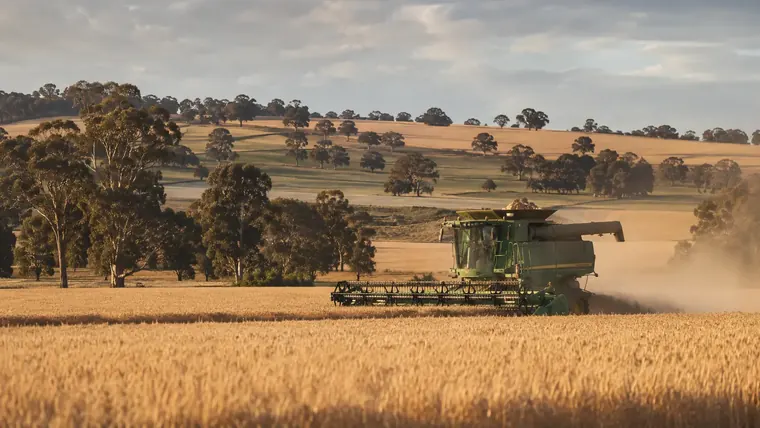
Crop Insurance
Specified-event crop insurance for farming businesses combining livestock and cropping operations.

Business Insurance
Broader commercial insurance considerations where a livestock or agricultural operation includes offices, storage, retail or other business activities.
Review your livestock insurance
Livestock values, breeding programs and animal purchases can change throughout the year.
Whether you are reviewing an existing livestock policy, purchasing a high-value stud animal or considering insurance for a broader livestock exposure, RMA Insurance Brokers can assist.
The information on this page is general information only and does not take into account your objectives, financial situation or needs. Cover is subject to the terms, conditions, limits and exclusions of the relevant policy. Insurance products and available cover vary between insurers. Please review the relevant policy documentation and obtain advice appropriate to your circumstances before making a decision.