
Public & products liability insurance for Australian businesses
An accident, injury or property damage involving a customer, supplier or member of the public can expose a business to significant liability. RMA Insurance Brokers helps businesses review and arrange public and products liability insurance, taking account of activities, products supplied and contractual obligations.
Liability insurance at a glance
Public and products liability insurance can help protect a business against certain claims made by third parties for personal injury or property damage arising from the business's activities or products.
Depending on the policy and circumstances, cover may also include costs associated with investigating, defending and settling an insured liability claim.
The activities disclosed to the insurer, products supplied, limits selected and applicable exclusions all affect how the policy may respond.
Key areas
- Public liability
- Products liability
- Property in your care, custody or control
- Property damage
- Defence costs
- Contractual exposures
Who should consider liability insurance?
Liability insurance may be relevant to businesses that interact with customers, suppliers, contractors, property owners or members of the public.
- retail and hospitality businesses
- trades and contractors
- wholesalers, manufacturers and product suppliers
- rural and regional businesses
- agribusinesses and farming operations
- service businesses operating at client or third-party premises
The exposure will differ depending on what the business does, where work is performed, the products supplied and the contractual responsibilities it accepts.
For many businesses, liability insurance sits alongside broader Business Insurance.
For farming and agribusiness operations, liability may also form part of the broader Farm Insurance program.
Our article on public liability for farmers and rural contractors looks more closely at these rural exposures.
What can public & products liability insurance cover?
Public and products liability policies vary between insurers. Depending on the cover arranged and circumstances of the claim, insurance may respond to some of the following.
Public liability
Public liability insurance may respond where a business becomes legally liable for personal injury or property damage suffered by a third party as a result of the business's activities.
The circumstances covered depend on the policy wording and the activities disclosed to the insurer.
Products liability
Products liability insurance may respond where a product sold, supplied, assembled or distributed by the business causes personal injury or property damage.
The products insured, territorial limits and policy exclusions should be considered when cover is arranged.
Property in your care, custody or control
Property in a business’s care, custody or control is commonly subject to an exclusion, although some policies may provide limited cover, a specific write-back or a sub-limit depending on the wording.
The scope, limits and circumstances in which any cover applies vary between policies and should be checked rather than assumed.
Property damage
Liability insurance may respond where the business becomes legally liable for damage to property belonging to another person or organisation.
This is different from insurance covering damage to the business's own property.
Investigation & defence costs
Depending on the policy, cover may include certain costs involved in investigating, defending and settling an insured liability claim, in addition to compensation the business is legally liable to pay.
Advertising injury
Some policies may provide cover for certain liability arising from advertising activities carried out by or on behalf of the insured business.
The scope of advertising injury cover varies between policies.
Contracts can change your liability exposure
Businesses are regularly asked to enter agreements containing indemnities, warranties and other clauses that can change or increase the liabilities they assume.
- tenancy agreements
- supply agreements
- customer or principal contracts
- construction contracts
- service agreements
- subcontracting arrangements
A contract may require a business to accept responsibility that extends beyond the liability it would ordinarily have at law.
That does not mean the insurance policy will automatically cover the additional responsibility assumed under the contract.
Some onerous contractual liabilities may not be commercially insurable.
Before entering a significant contract
Before signing a significant commercial agreement, it can be worth reviewing whether the contract imposes insurance or liability obligations that differ from the existing insurance program.
RMA Insurance Brokers can assist by reviewing the insurance implications of contractual requirements and identifying where the current policy may need further consideration.
Where a contract requires detailed legal interpretation, negotiation or advice about the legal effect of a clause, that work falls outside insurance broking advice and may require review by an appropriately qualified legal adviser.
Where appropriate, specialist third-party assistance may be arranged for legal contract review.
What information may be needed for a liability insurance review?
When reviewing liability insurance, RMA Insurance Brokers may need information about:
- the activities undertaken by the business
- annual turnover and business size
- locations where work is performed
- products manufactured, sold, supplied or distributed
- use of contractors and subcontractors
- major contracts or principal requirements
- interstate, overseas or export exposures
- previous liability claims or incidents
Additional information may be required depending on the occupation or risk.
Accurately describing the activities undertaken is particularly important. If the business has expanded into new services, products or locations, these changes should be disclosed to the insurer.
When should liability insurance be reviewed?
Liability exposures can change even when the business itself appears broadly the same.
A review is particularly worthwhile when the business has:
- commenced new activities or services
- introduced new products
- entered a significant new contract
- increased its use of subcontractors
- materially changed turnover
- started operating from additional premises
- begun working in new geographic markets
- experienced a liability claim or significant incident
The limits required under customer, landlord or principal agreements should also be checked against the insurance actually arranged.
Liability limits also require consideration. Businesses may be asked to hold a particular limit under contracts, leases, council requirements or worksite arrangements. Common market options include $5 million, $10 million and $20 million, although the appropriate limit depends on the business, its exposures and any contractual requirements.
Annual renewal provides an opportunity to ensure the description of the business and its activities remains accurate.
What may not be covered?
Every liability insurance policy contains exclusions, limits, conditions and excesses.
Depending on the policy, cover may not apply to:
- the cost of rectifying faulty workmanship itself
- damage to the insured's own product
- work-related employee injury claims generally dealt with under workers compensation arrangements
- certain claims arising from the use of registered motor vehicles
- asbestos-related claims
- activities or products not disclosed to the insurer
- liabilities assumed solely under contract where that liability is not insured
- claims arising outside applicable territorial or jurisdictional limits
- pollution and contamination, other than in the limited circumstances a policy may allow
This is not a complete list.
The relevant policy wording, schedule, endorsements and circumstances of the claim determine how the policy responds.
Example: accidental property damage at a customer's premises
Illustrative example
A regional contractor is completing work at a customer's commercial premises.
During the work, equipment being used by the contractor accidentally damages part of the customer's property. The customer seeks compensation for the damage.
The claim would be considered against the contractor's liability policy, including the nature of the work being performed, how the damage occurred, whether the activity had been disclosed to the insurer and the applicable policy exclusions and limits.
Defence or investigation costs may also be considered where they fall within the terms of the policy.
Example provided for general illustration only. Policy coverage and the amount of any claim depend on the insurer, policy wording, activities disclosed, limits and circumstances of the loss.
Liability insurance for businesses across Australia
RMA Insurance Brokers works with businesses across rural, regional and metropolitan Australia.
Our clients include trades, contractors, retailers, professional businesses, agribusinesses, transport businesses and other SMEs with differing liability exposures.
We also work closely with rma network Livestock & Property Agents, providing strong connections with businesses and communities throughout regional Australia.
Our services are not limited to rma network Members. Businesses across Australia can contact RMA Insurance Brokers for liability insurance assistance.
Why RMA Insurance Brokers?
Liability insurance requires more than selecting a policy limit.
The activities undertaken, products supplied, subcontracting arrangements, contracts, locations and policy exclusions can all affect how the insurance responds.
RMA Insurance Brokers can help you:
- review the activities undertaken by the business
- identify public and products liability exposures
- consider appropriate liability limits
- review product and geographic exposures
- consider contractor and subcontractor arrangements
- review insurance requirements contained in contracts
- approach suitable insurers
- manage policy changes, renewals and claims
Where contractual issues extend beyond insurance advice, RMA Insurance Brokers can also help identify when specialist legal review should be considered.
Our focus is on understanding where liability can arise and helping arrange insurance that reflects the activities and exposures of the business.
Frequently asked questions
What is the difference between public liability and products liability insurance?
Public liability generally relates to personal injury or property damage arising from the activities of the business.
Products liability relates to personal injury or property damage caused by products sold, supplied, assembled or distributed by the business.
The exact scope of cover depends on the policy wording and business activities.
Does liability insurance cover legal defence costs?
Depending on the policy and circumstances, liability insurance may cover certain costs involved in investigating, defending and settling an insured liability claim.
The policy wording determines which costs are covered and whether they sit within or in addition to the applicable liability limit.
Does public liability cover employees?
Public liability insurance generally does not provide the primary cover for employees who suffer work-related injury or illness.
Employee injury is generally addressed through the relevant workers compensation arrangements, which differ between Australian states and territories.
The applicable arrangements depend on the circumstances and jurisdiction.
Does my liability insurance automatically cover liabilities in a contract?
Not necessarily.
A contract can require a business to assume liabilities that extend beyond those it would otherwise have.
Those additional contractual liabilities should not be assumed to be covered by the existing insurance policy.
RMA Insurance Brokers can review the insurance implications, while detailed legal interpretation or negotiation of contract clauses may require an appropriately qualified legal adviser.
What information is needed for a liability insurance quote?
Information may include the activities undertaken, annual turnover, locations, products supplied, use of contractors or subcontractors, contractual requirements and previous claims.
Additional information may be required depending on the occupation and risk.
RMA Insurance Brokers can help identify the information required before approaching insurers.
Related insurance

Business Insurance
Broader insurance for business property, interruption, theft, equipment and other commercial risks.

Farm Insurance
Broader insurance for farming operations where liability forms part of the overall farm risk.
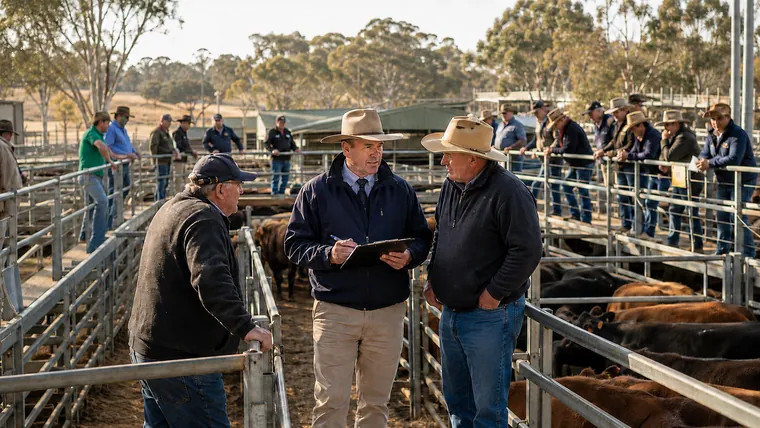
Professional Indemnity Insurance
Insurance considerations for businesses providing professional advice, services or expertise.

Management Liability Insurance
Insurance considerations for directors, officers and businesses facing management-related claims and statutory exposures.
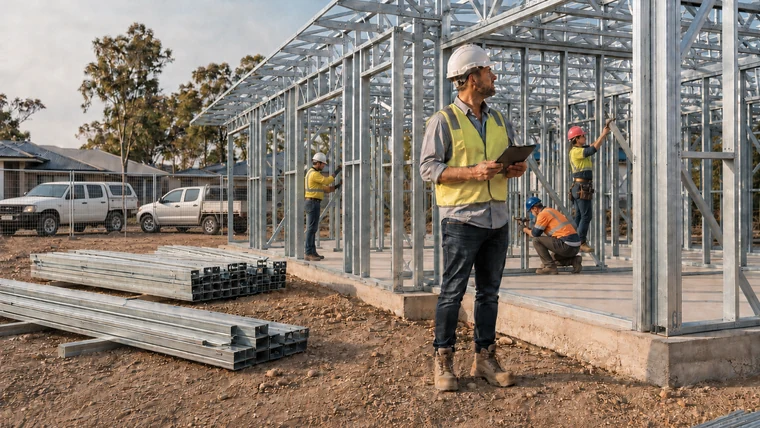
Construction & Contract Works Insurance
Insurance considerations for construction projects, contractors and project-related property and liability exposures.
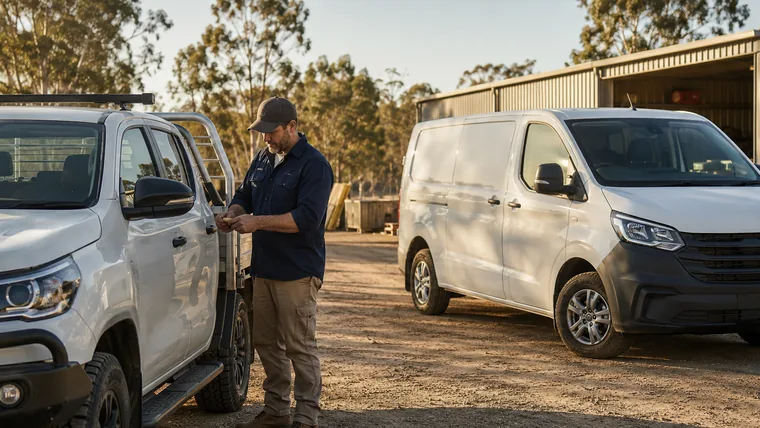
Commercial Motor Insurance
Insurance for vehicles used in business operations where motor liability exposures sit outside a public liability policy.
Review your liability insurance
Business activities, products and contractual obligations can change over time, sometimes creating liability exposures that were not present when the policy was first arranged.
Whether you are reviewing an existing liability policy, taking on new work or considering the insurance requirements in a significant contract, RMA Insurance Brokers can assist.
The information on this page is general information only and does not take into account your objectives, financial situation or needs. Cover is subject to the terms, conditions, limits and exclusions of the relevant policy. Insurance products and available cover vary between insurers. Please review the relevant policy documentation and obtain advice appropriate to your circumstances before making a decision.