
Transit & cargo insurance
Goods in transit are exposed to damage, theft and loss at different stages of the journey. RMA Insurance Brokers helps businesses review transit and cargo insurance around what is being moved, how it travels, who has an insurable interest and the contracts that sit behind each movement.
Transit and cargo insurance at a glance
Transit and cargo insurance is designed to protect goods while they are being transported by road, rail, sea or air, together with related exposures such as theft, handling damage, temporary storage and carriers liability.
Depending on the policy, cover can be arranged for a single movement or across an annual program, with conditions attached to the type of goods, the mode of transport, the route and the parties with an insurable interest. Limits, exclusions and settlement bases vary between insurers.
Key areas
- Loss or damage in transit
- Theft, hijacking & missing goods
- Loading, unloading & handling
- Storage & warehousing extensions
- Import, export & cross-border movements
- Goods carried for others & carriers liability
Who should consider transit and cargo insurance?
Transit and cargo insurance is worth considering for any business that sends or receives goods, equipment, stock or raw materials, whether across town, across the country or across borders.
- Manufacturers shipping finished goods to customers
- Wholesalers and distributors moving stock between warehouses
- Retailers receiving deliveries from suppliers
- Primary producers sending produce, grain or livestock-related goods
- Importers and exporters moving goods by sea or air freight
- Businesses that carry goods belonging to customers or suppliers
A review is particularly useful where you:
- regularly dispatch or receive high-value goods
- rely on a small number of critical shipments each month
- send goods over long distances or to remote locations
- import or export under Incoterms that shift risk during transit
- carry goods for others as part of your service
- have experienced loss, damage or delay in the supply chain
What can transit and cargo insurance cover?
Loss or damage in transit
Cover may respond to physical loss or damage to goods while they are being transported by road, rail, air or sea, depending on the policy wording, limits and exclusions.
The basis of cover can vary between insurers and may be influenced by the type of goods, packaging, mode of transport and the route involved.
Theft, hijacking & missing goods
Policies may cover theft of goods, hijacking of a carrying vehicle or physical loss where goods fail to arrive following an insured event, subject to the basis of cover, conditions and exclusions.
Security requirements, seals, documentation and the circumstances of the loss can affect whether cover responds.
Loading, unloading & handling
Loss or damage during loading, unloading, consolidation or transhipment may be covered under some policies, depending on the wording.
The point at which risk transfers under any contract or sale terms can affect whether a claim sits with the sender, receiver or carrier.
Storage & warehousing extensions
Some transit policies can include limited cover for goods in temporary storage, such as at a customs depot, freight forwarder's facility or consolidation point.
Longer-term storage at a business premises or third-party warehouse is generally not covered and should be reviewed separately.
Import, export & cross-border movements
Cover may be available for international movements, including imports, exports and domestic legs connected to an overseas shipment.
Incoterms and sale contracts can determine when risk transfers and which party is expected to arrange insurance. Customs requirements, currency, jurisdiction and carrier liability regimes may also need to be considered for international shipments.
Goods carried for others & carriers liability
Businesses that carry goods for others may face liability for loss of or damage to customers’ goods. This exposure may require a separate carriers liability or goods-in-transit arrangement, depending on the contract of carriage and how the business operates.
The distinction between the business’s own cargo and goods belonging to others should be clear in the insurance arrangement.
How a transit and cargo policy is put together
Transit and cargo insurance is generally arranged around the goods being moved, how often they travel, the modes of transport used and the contractual relationships between sender, receiver and carrier.
Areas commonly reviewed include:
- the type, value and vulnerability of the goods being transported
- whether cover is needed for a single movement or an annual program
- the origin, destination and any intermediate storage or transhipment points
- the mode or modes of transport and any cross-border movements
- who owns the goods and when risk transfers under contract or sale terms
- limits, excesses and any per-shipment or per-occurrence caps
- exclusions for inadequate packaging, delay, inherent vice or commercial dispute
- carriers liability or third-party obligations where goods are carried for others
Insurers treat these areas differently, so the wording and schedule should be reviewed rather than assumed.
When should transit and cargo insurance be reviewed?
A review is particularly worthwhile when:
- you begin shipping new types of goods or using new transport providers
- the value or volume of goods in transit changes materially
- you start importing, exporting or sending goods to remote locations
- your contracts or Incoterms change who is responsible for insurance
- you begin carrying goods for others or using subcontractors
- a claim has highlighted a gap in limits, coverage or documentation
- the annual policy basis no longer matches the frequency of your movements
Reviewing before peak shipping periods or contract renewals gives time to adjust limits and conditions before the next busy season.
What may not be covered?
Transit and cargo insurance is subject to policy conditions, limits, excesses and exclusions. Depending on the policy, cover may be restricted or unavailable for:
- wear, tear, gradual deterioration and inherent vice of the goods
- ordinary leakage, or ordinary loss in weight or volume, of the goods
- damage caused by inadequate packaging or improper stowage
- delay, consequential loss or loss of market
- transit using excluded carriers, conveyances or transport arrangements, or where applicable policy conditions have not been met
- theft where security, seals or documentation requirements have not been met
- movements outside the stated geographical area or mode of transport
- long-term storage at premises not covered by a storage extension
- goods excluded by description, such as cash, securities or hazardous materials where not disclosed
- loss arising from commercial disputes, sanctions or illegal trade
- liability to third parties where not specifically covered
This is not a complete list. Cover for cross-border movements, temperature-sensitive goods, specialised freight and carriers liability differs materially between insurers. The wording, schedule and circumstances determine how the insurance responds.
Example: damaged shipment of replacement parts
Illustrative example
A regional agricultural machinery supplier dispatches a pallet of replacement parts to a customer by road freight. On arrival, the pallet shows signs of impact damage and several components are unusable.
The supplier photographs the damage, retains the packaging and obtains a written report from the carrier confirming the condition on delivery. They also gather the invoice and freight documentation.
They lodge a claim under their transit insurance policy. Depending on the wording and circumstances, the insurer may consider the damaged parts, less any applicable excess, and may also review whether the carrier has any liability under the contract of carriage.
Example provided for general illustration only. Cover depends on the insurer, policy wording, limits, exclusions and circumstances of the claim.
Transit and cargo insurance across Australia
RMA Insurance Brokers assists businesses across rural, regional and metropolitan Australia with transit and cargo insurance. We help clients review cover whether they are moving goods locally, interstate or internationally.
Regional logistics can bring additional considerations, including longer haul distances, fewer carrier options, remote delivery points, exposure to severe weather and the difficulty of replacing perishable or time-sensitive goods after physical loss or damage.
We also work closely with rma network Livestock & Property Agents, and with the farming families, regional businesses and rural communities they work alongside.
Our services are not limited to rma network Members. Any Australian business can contact RMA Insurance Brokers for assistance with transit and cargo insurance.
Why RMA Insurance Brokers?
Transit and cargo insurance is often arranged as a standard extension and then renewed without review. As the business, supply chain and freight arrangements change, the original cover may no longer match the risk.
RMA Insurance Brokers can help you:
- review sums insured, limits and per-shipment caps
- understand cover across single movements and annual programs
- consider storage, transhipment and cross-border extensions
- check how Incoterms and contracts affect who should insure the goods
- compare suitable transit, cargo and carriers liability options where relevant
- assist with notifications and claims after loss or damage
The insurer remains responsible for determining claim entitlement under the policy.
Frequently asked questions
What is transit and cargo insurance?
Transit and cargo insurance is designed to cover loss of or damage to goods while they are being transported by road, rail, air or sea. Depending on the policy, cover may apply to a single movement or across an annual program covering regular dispatches.
Who should consider transit and cargo insurance?
Businesses that send or receive stock, equipment, machinery, raw materials or finished goods may consider transit and cargo insurance. It can be relevant for manufacturers, wholesalers, retailers, primary producers, importers, exporters and any business that relies on goods arriving intact and on time.
Does transit insurance cover goods I receive as well as goods I send?
It may, depending on how the policy is arranged. Some policies cover goods the insured business owns or is responsible for, while others may cover goods in the care, custody or control of the insured. The policy wording, any Incoterms or contractual arrangements, and who has the insurable interest should all be reviewed.
What is the difference between a single-transit policy and an annual policy?
A single-transit policy covers one specific movement from a named origin to a named destination. An annual policy covers multiple movements over a policy period and is usually suited to businesses that transport goods regularly. Each approach has different declaration requirements, limits and conditions.
Are goods covered while they are in storage or at a warehouse?
Some policies include temporary storage that forms part of the ordinary course of transit or a specific storage extension. Once goods are held for longer-term storage, allocation or distribution, separate property or stock cover, or an expressly agreed cargo storage extension, may be needed.
Related insurance
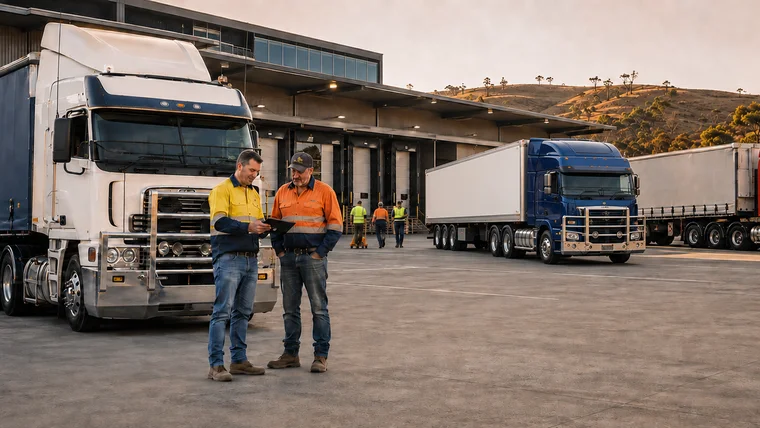
Motor Fleet & Carriers Liability Insurance
Insurance for businesses operating multiple commercial vehicles, including mixed fleets, heavy vehicles and carriers liability exposures.

Business Insurance
Broader insurance for business property, interruption, theft, equipment and other commercial risks.

Trade Credit & Debtors Insurance
Insurance considerations for businesses exposed to financial loss when customers cannot pay amounts owed.
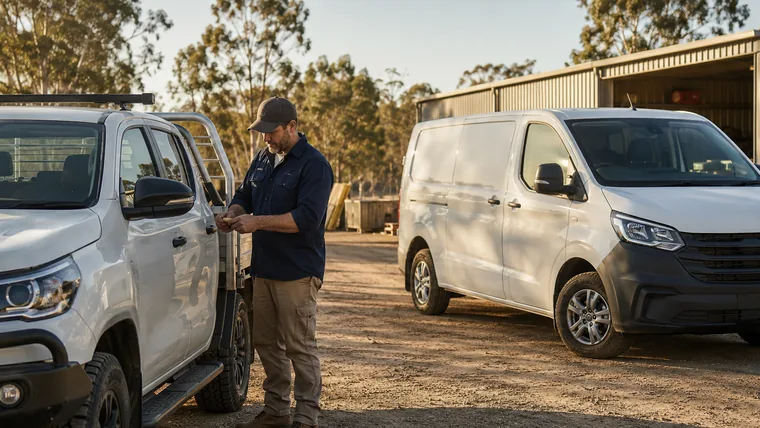
Commercial Motor Insurance
Cover considerations for work utes, vans and other commercial vehicles used in day-to-day business operations.

Liability Insurance
Public and products liability insurance for third-party injury and property damage exposures.

Construction & Contract Works Insurance
Insurance considerations for construction projects, including works in progress, materials and project-related liability exposures.
Review your transit and cargo insurance
Freight arrangements, supplier contracts and the value of goods in transit change over time. The cover arranged when the policy was first put in place may no longer reflect how the business moves stock today.
RMA Insurance Brokers can help you review whether your transit and cargo insurance still matches the goods you move, the routes you use and the contracts that sit behind each shipment.
The information on this page is general information only and does not take into account your objectives, financial situation or needs. Cover is subject to the terms, conditions, limits and exclusions of the relevant policy. Insurance products and available cover vary between insurers. Please review the relevant policy documentation and obtain advice appropriate to your circumstances before making a decision.